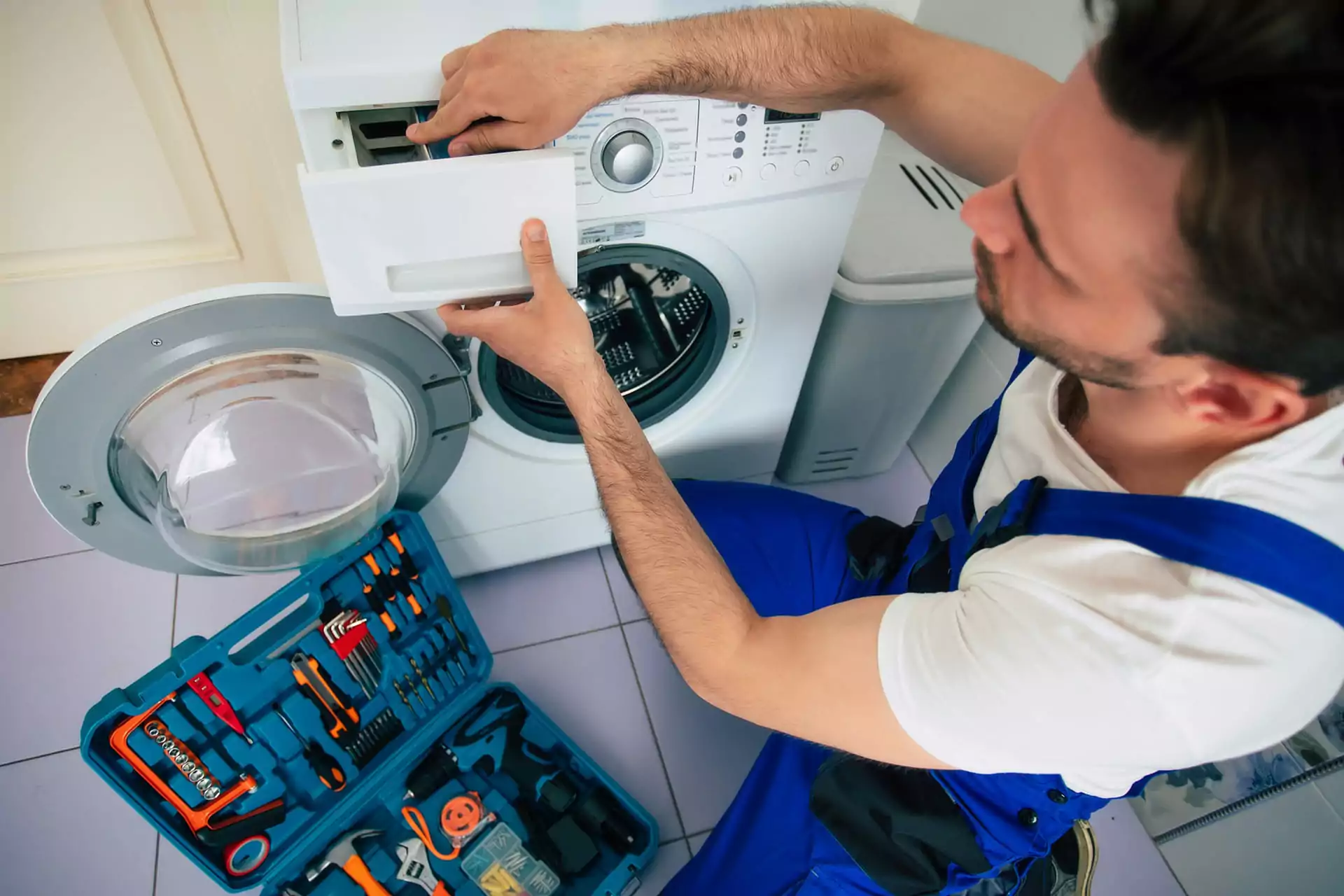
The dryer is one of those appliances that, although it seems simple, plays a fundamental role in daily routines. When it works properly, we hardly notice it, but as soon as it stops heating or spinning, doing laundry can quickly become a real headache. Understanding how a dryer works and what to do when it malfunctions can save you time, money, and a lot of frustration. It also empowers you to make informed decisions about whether to try a basic repair at home or call a specialized technician.
If you have ever searched for Dryer Repair Thornton CO, you know how important it is to have a fast and reliable service so you are not left with wet clothes for days. Modern dryers, whether gas or electric, combine heat, movement, and airflow to remove moisture from your clothes. The drum spins thanks to a motor, while an electric heating element or gas burner generates the necessary heat. A fan pushes hot air through the clothes, and the moisture is expelled outside through the vent duct. This process, although it seems simple, depends on the coordination of several components that can wear out or fail over time.
Many times, the cause is as simple as a poorly connected cable or a tripped circuit breaker. However, it can also be due to a faulty door switch or a blown thermal fuse. The door switch is a safety mechanism that prevents the dryer from operating if the door is not properly closed. If this component stops working, the dryer will not start even if everything else is in order. The thermal fuse, on the other hand, protects the equipment against overheating. If it detects excessive temperatures, it blows and cuts off the power to prevent further damage. Replacing it is usually simple, but it is important to investigate why it blew, as it could indicate a ventilation problem or a faulty thermostat.
Another frequent issue is when the dryer spins but does not produce heat. Heating elements are constantly exposed to high temperatures, so it is normal for them to deteriorate over time. Sometimes, the problem is not with the electrical components but with lint buildup in the filter or vent duct, which restricts airflow and can cause the dryer to overheat and stop heating. Strange noises, such as squeaks, thumps, or buzzing, often indicate worn internal parts. Drum rollers, the belt, or bearings can deteriorate with use and lint buildup. If these elements are damaged, the dryer may make annoying noises or even stop spinning. Replacing these components usually restores the peace and smooth operation of the appliance. A loose or broken belt can also cause the drum not to spin, even if the motor works perfectly.
Regular maintenance is key to avoiding most problems and prolonging the life of your dryer. Cleaning the lint filter after every use is a simple habit that improves performance and reduces the risk of fire. Every few months, it is a good idea to check and clean the vent duct, making sure there are no obstructions that make it difficult for air to exit. If the dryer is far from an exterior wall, using a long brush to clean the duct can help remove accumulated lint that is not normally visible. For models with moisture sensors, keeping these sensors clean ensures that drying cycles are accurate and that clothes are not left damp or overdried.
If you notice that clothes take a long time to dry, the first thing you should check is the airflow. Lint buildup in the duct or filter can significantly reduce drying efficiency. Disconnecting the duct and cleaning it thoroughly often solves this problem and also helps the dryer use less energy, which translates to savings on your electric bill.
Safety should always be the priority when working with any appliance. Before inspecting or repairing the dryer, make sure it is unplugged from the power source. If it is a gas dryer, close the valve to avoid leaks. Using the right tools and following the manufacturer’s instructions is essential to avoid accidents and damage to the appliance. If at any point you do not feel safe or do not understand the source of the problem, it is best to consult a professional technician. Issues related to the motor, control board, or internal wiring require specialized knowledge and tools.
There are situations where the repair should be left to the experts. If you have already checked the basics and the dryer still does not work, or if you suspect the problem is more complex, the safest thing is to call a qualified technician. When requesting service, clearly describe the symptoms and the steps you have already tried. This helps the technician diagnose and resolve the issue more quickly. A professional and reliable service also usually offers a warranty on the repair, giving you peace of mind that the problem will be properly resolved.
Understanding how your dryer works and knowing how to identify the most common failures allows you to keep your home comfortable and efficient, protect your investment, and ensure your family’s safety. A well-maintained dryer uses less energy, dries clothes more efficiently, and is less likely to suffer major breakdowns. Whether you prefer to handle small repairs yourself or call a professional for more complex issues, the most important thing is not to ignore warning signs and to act in a timely manner. This way, your dryer can continue operating smoothly for many years.
Taking the time to learn about your dryer and how it works gives you the tools you need to make informed decisions about its maintenance and repair. Regular attention and timely problem solving will help you avoid costly surprises and keep your laundry routine in perfect order. In the end, a bit of knowledge and prevention can make all the difference so your dryer remains a reliable ally at home, always ready for whatever comes next.

 Blogs
Blogs